
“Are You Slowly Losing Your Teen?”
7-Question Emotional Risk Check
Answer honestly.
A quick 5-minute self-check to understand if emotional distance is quietly developing between you and your teenager.
You'll receive the self-assessment link directly to your WhatsApp.
Teen-Parenting Clarity Masterclass
When Your Son/Daughter Stops Talking to You
and Starts Pulling Away…
You see them withdraw, shut their door, or shut you out with one-word answers. It’s not that they doesn’t care it’s that they doesn’t know how to say what they're really feeling. And you’re left wondering how to reach them without pushing them further away.

Learn How to Rebuild Connection Before Distance Becomes Permanent.
Join this 3 Hour Live Neuroscience-Based Masterclass to understand what is truly happening inside your teen’s developing brain — and how to respond without damaging connection.
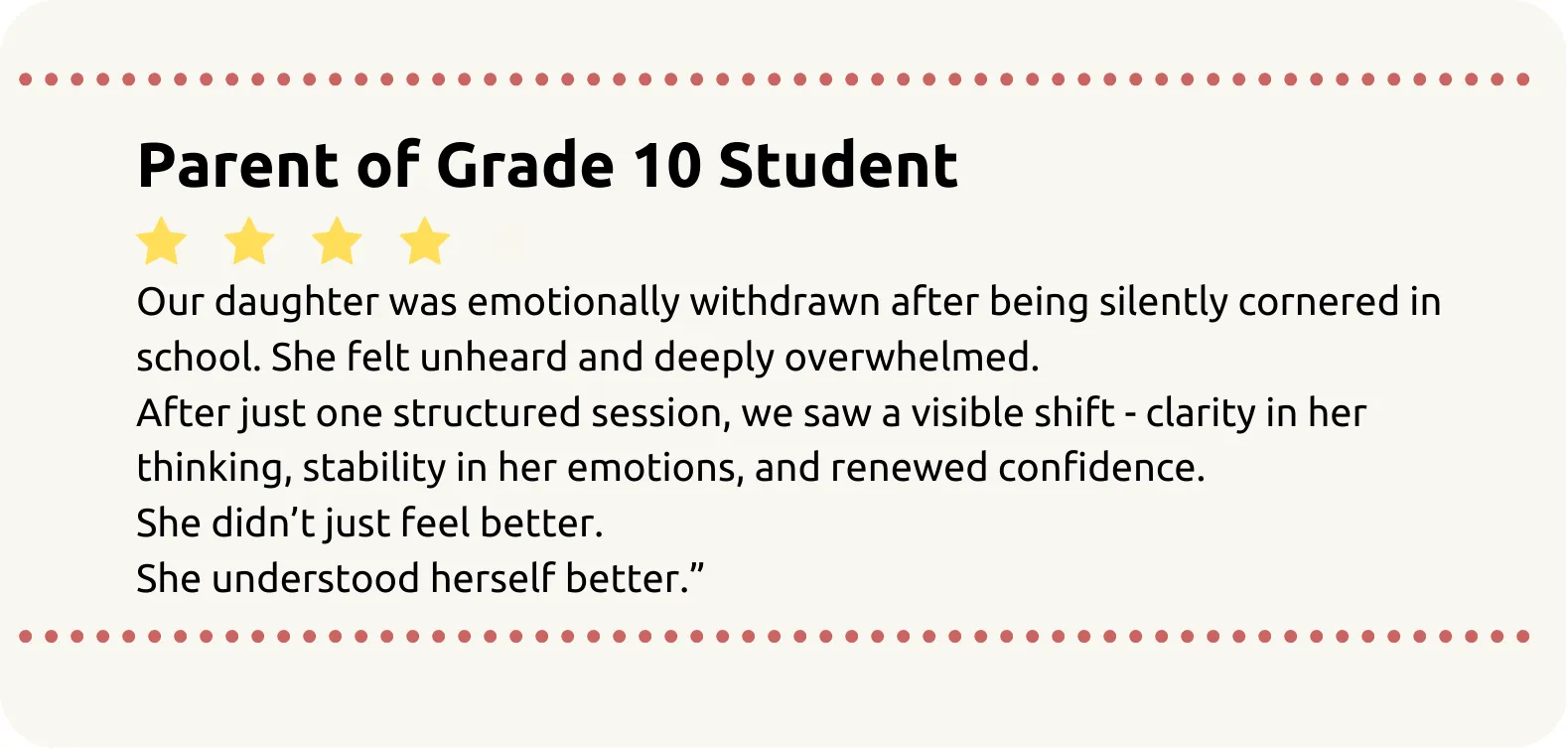
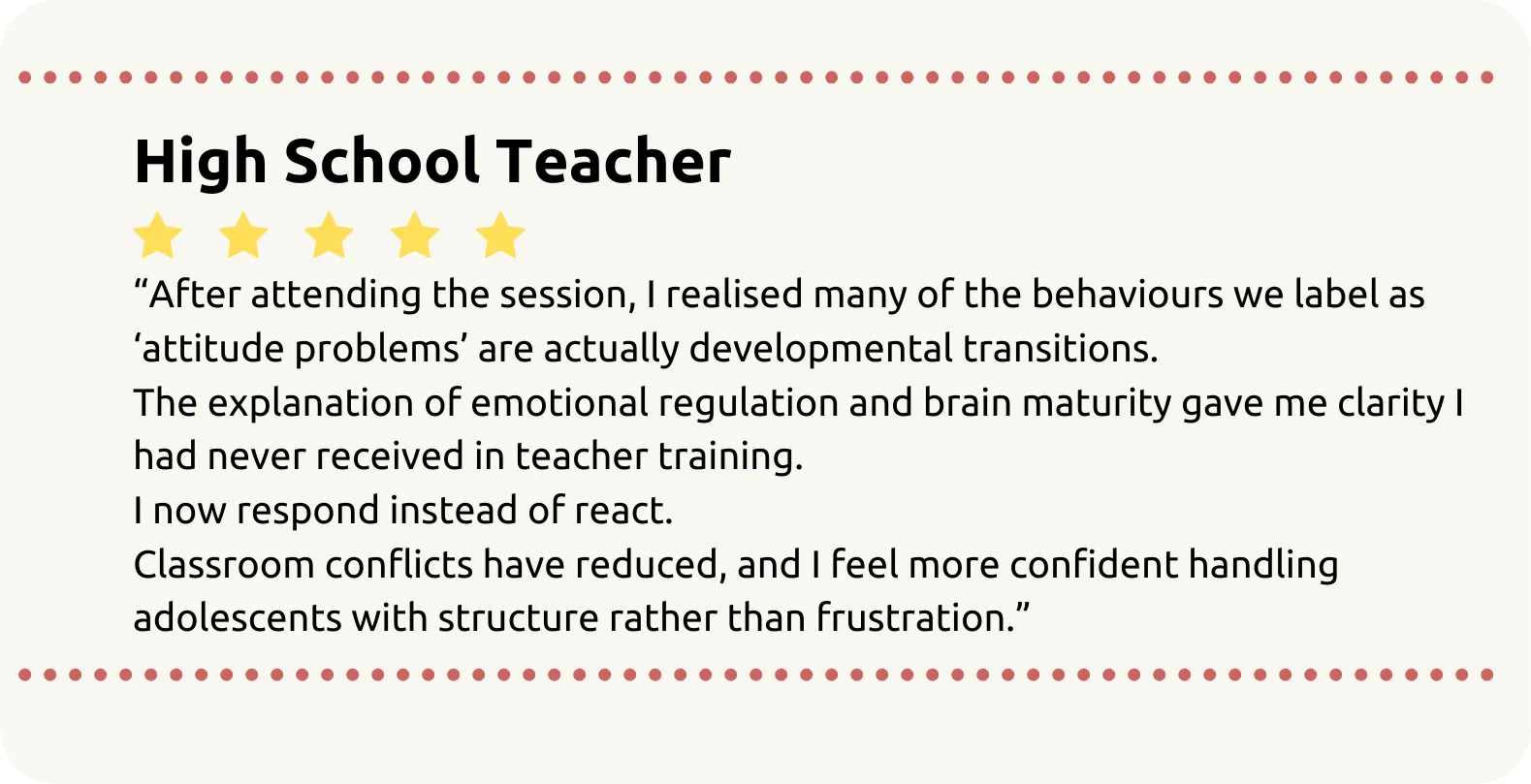
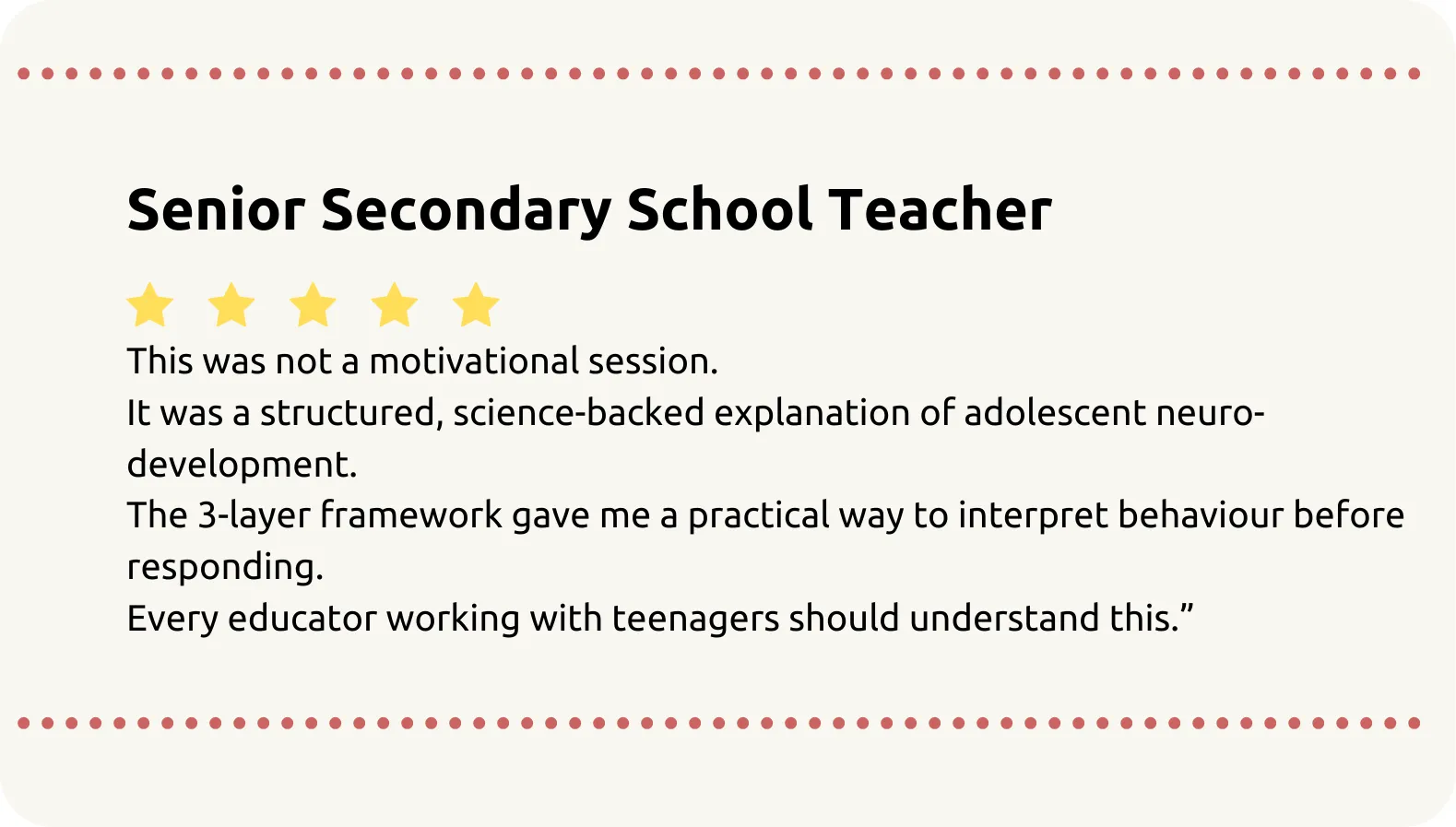
Trusted By 1000+ Parents
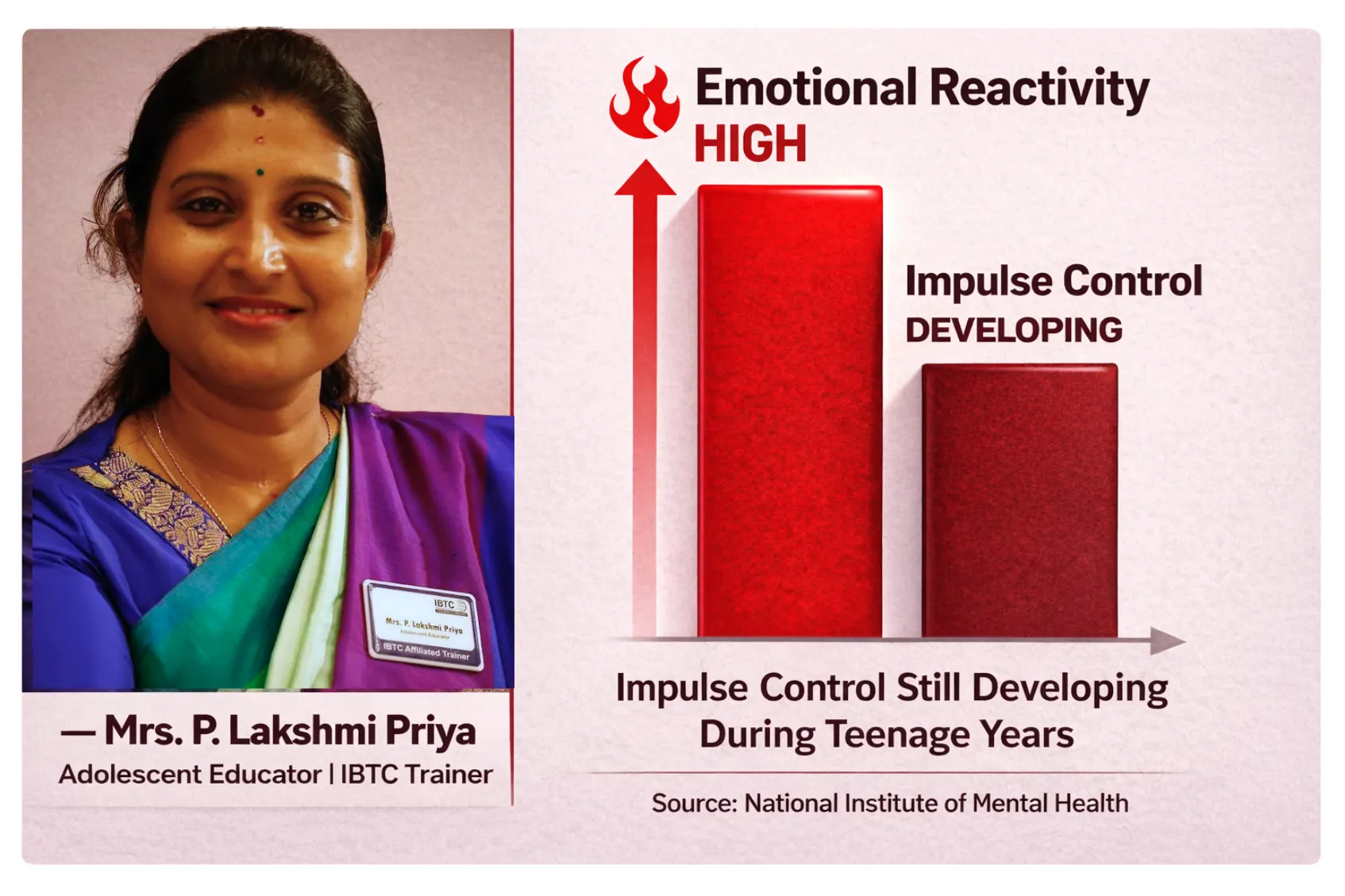
Your Teen Is Not Overreacting. Their Emotional Brain Develops Faster Than Their Logical Brain.
Research shows emotional centers mature earlier than impulse control during adolescence — creating temporary imbalance.
Have You Been Noticing These Subtle Changes?
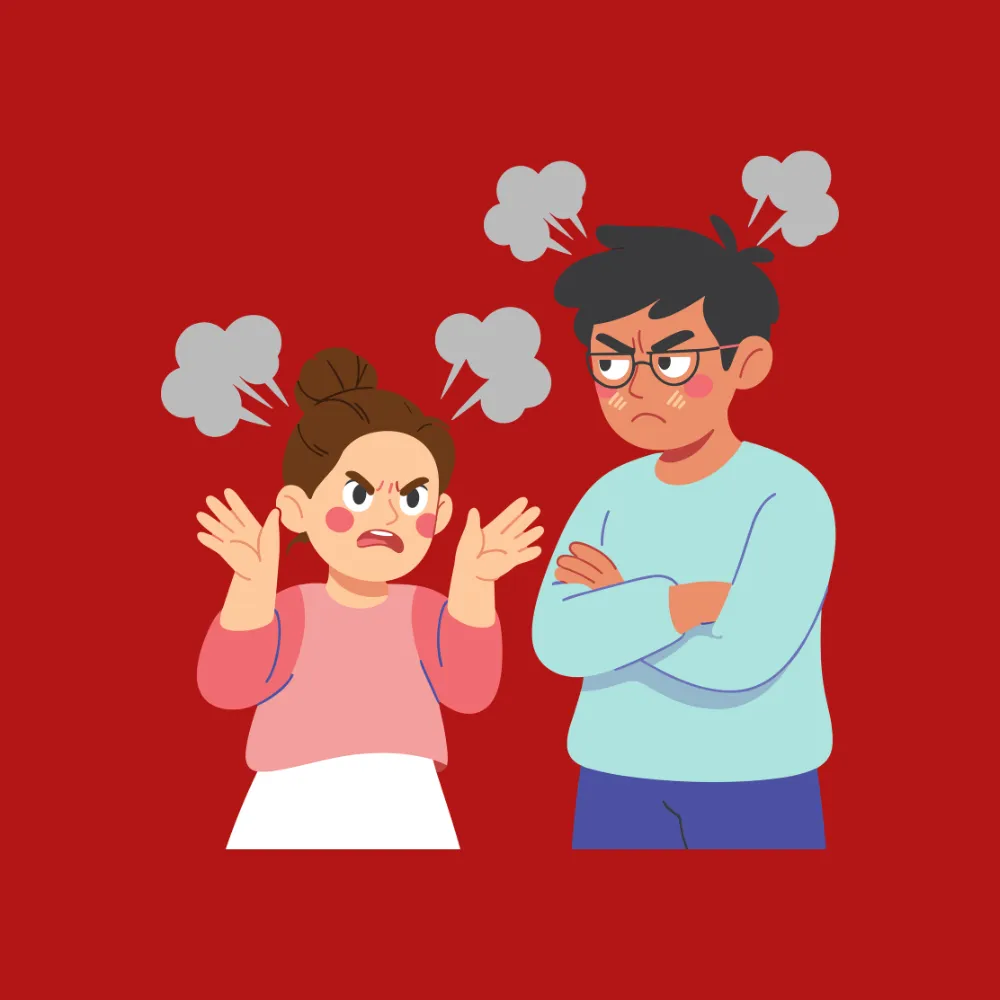
Your teenager gets irritated over small conversations.

They prefer their phone more than family time.
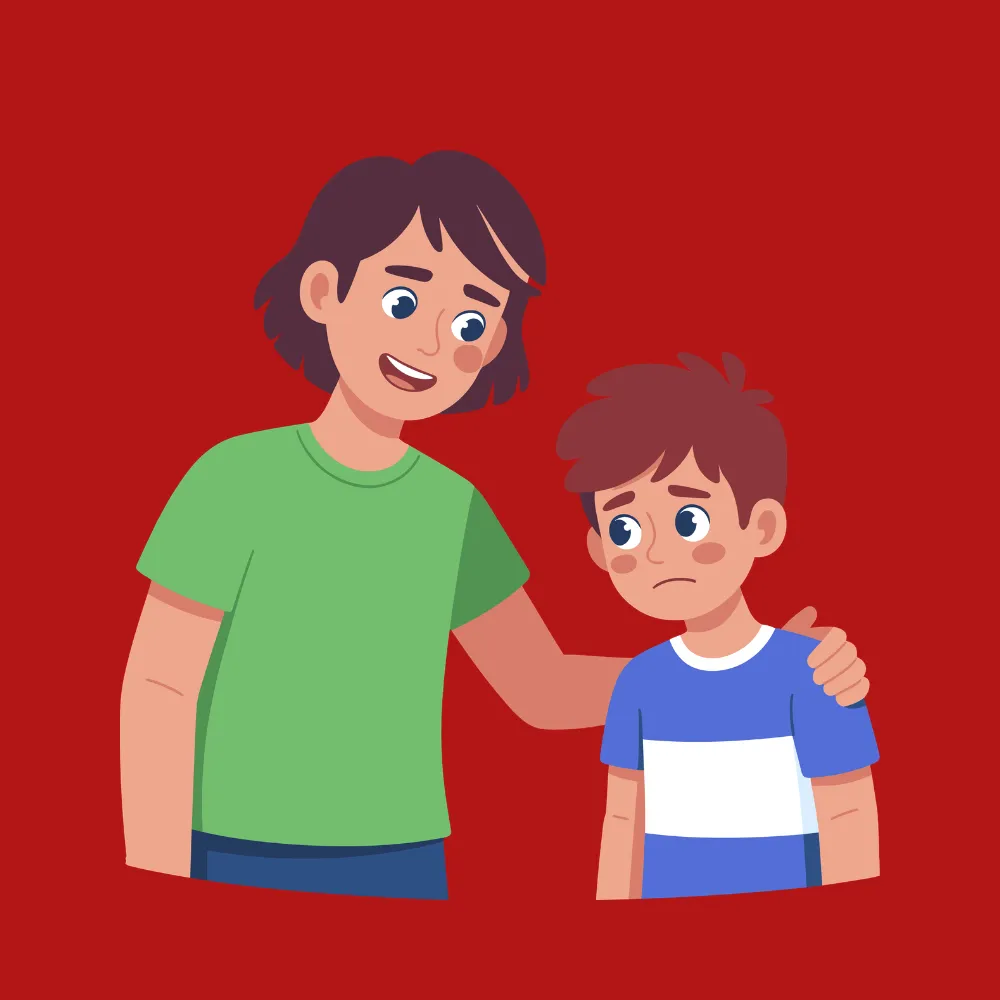
They respond quickly… but rarely open up deeply.
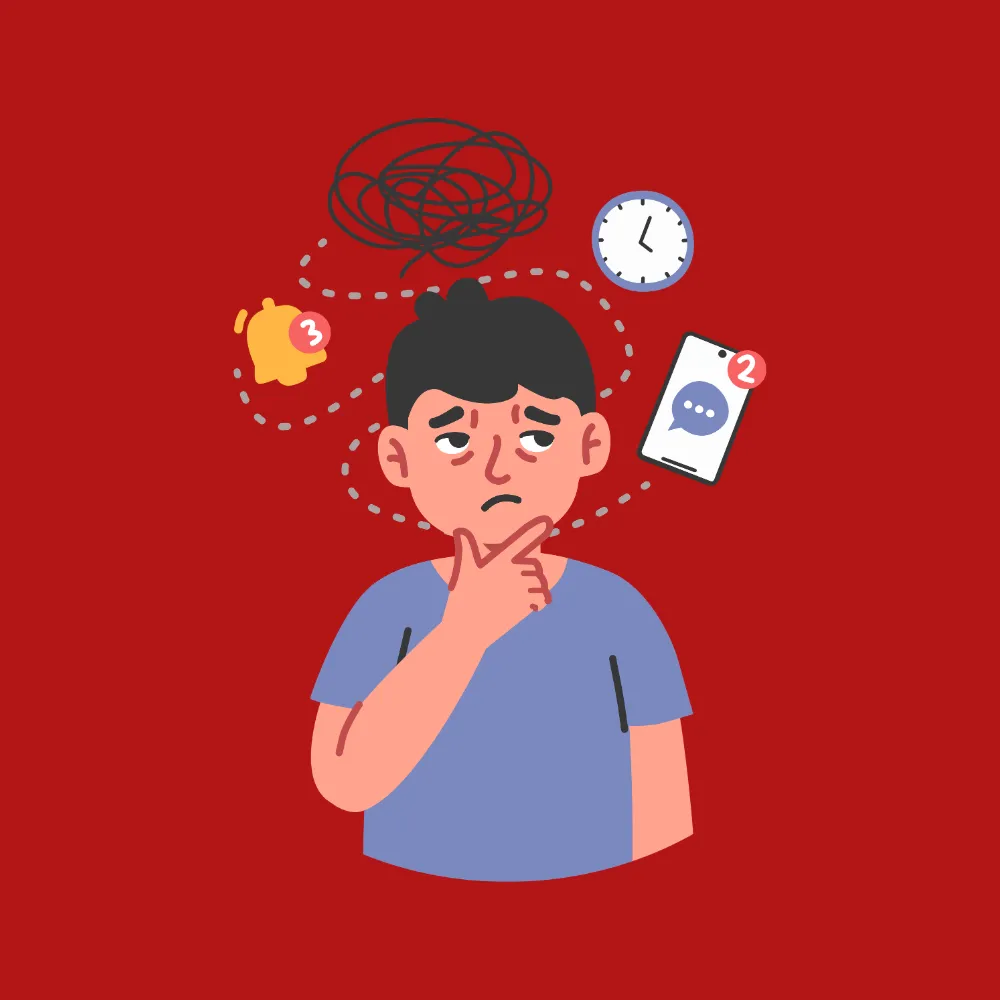
They seem distracted even when sitting right in front of you
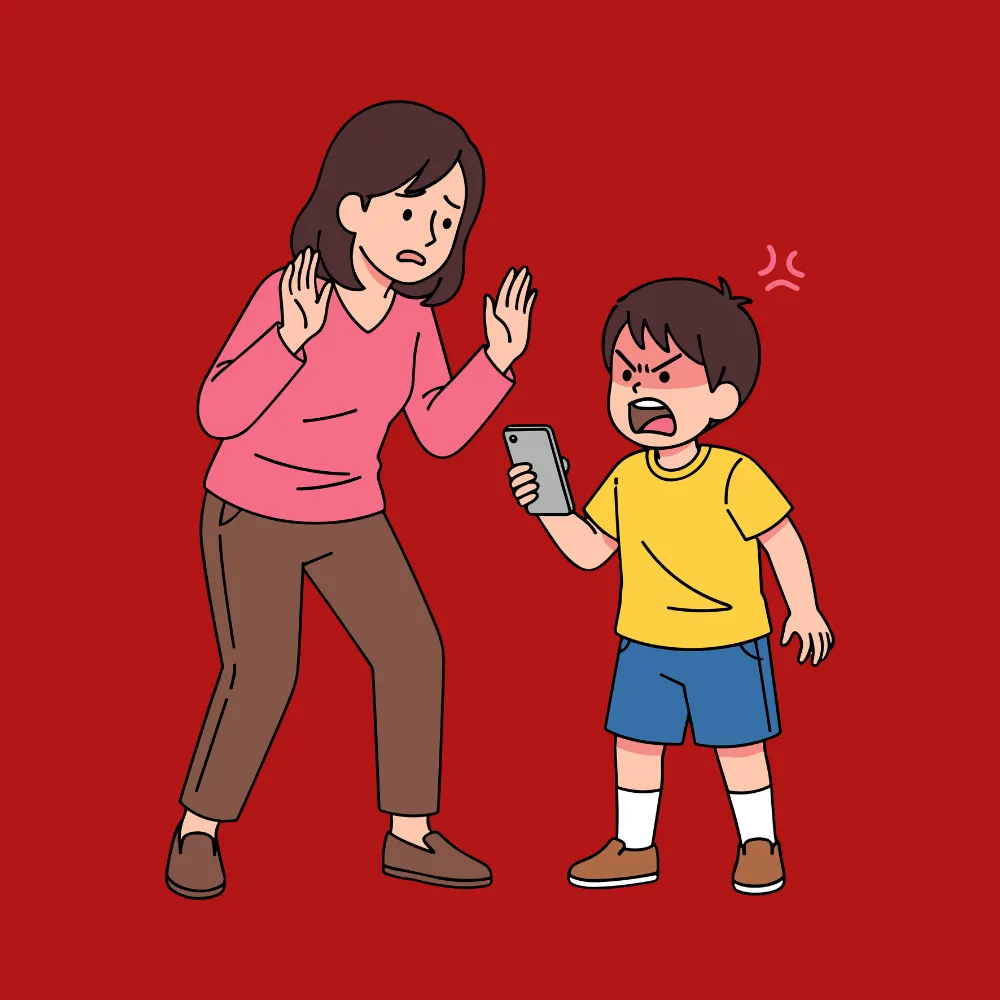
Simple guidance sometimes turns into tension.
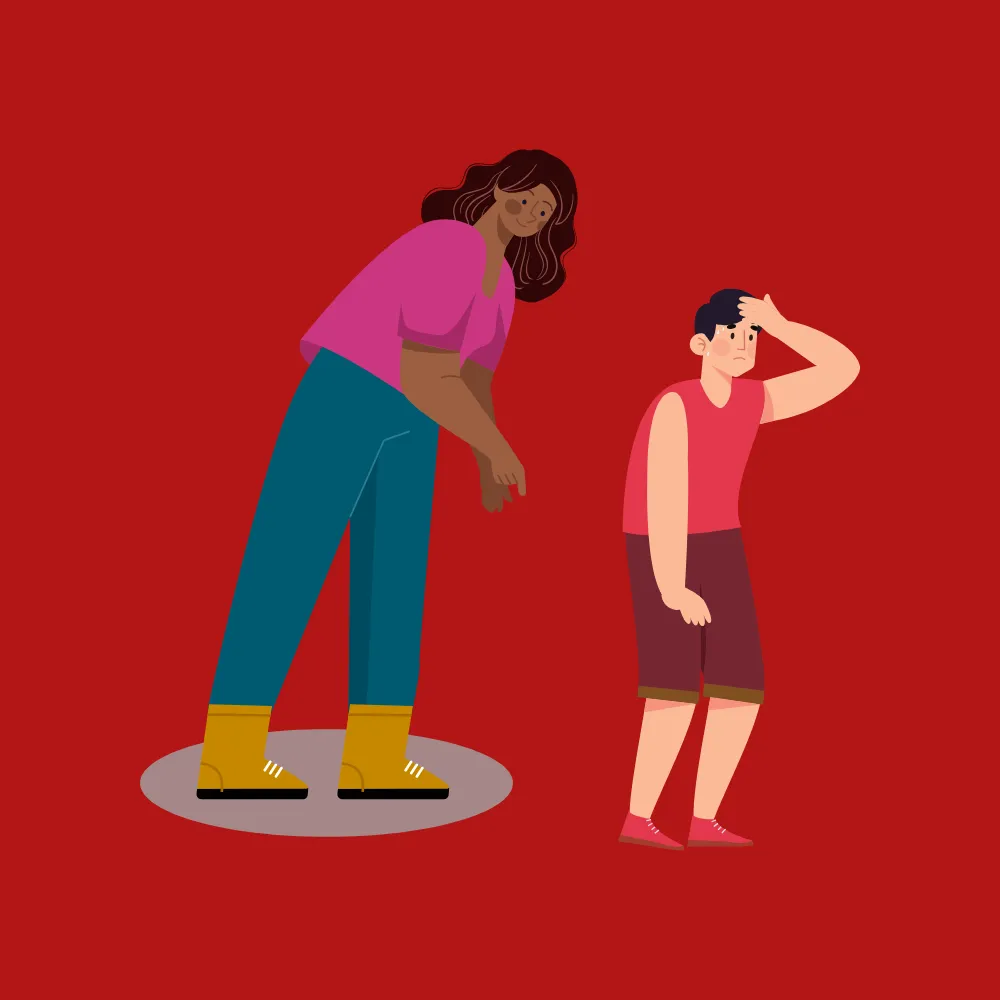
You feel like you are “walking carefully” around certain topics
These are not signs of a “bad child.” They are often signs of a developing brain navigating emotional intensity, social pressure, and constant digital stimulation. Teenage years are a sensitive transition stage. Emotions grow stronger. Influence grows wider. Identity begins forming more deeply. Without the right understanding , miscommunication can slowly create distance -even in loving families.
This masterclass is designed to help you understand what is happening beneath these behaviours — so you can respond with clarity instead of confusion.
Why Attend Teen Parenting Clarity Masterclass?
Because most parents of teenagers are not looking for more advice. They are looking for clarity.
Get Clarity On:
- How to handle anger without constant conflict
- How to improve communication without forcing conversation
- How to guide discipline without becoming the “strict parent”
- How to reduce phone dependency without daily arguments
- How to protect their teen from unhealthy influence — calmly
- How to build confidence before self-doubt becomes identity
Teenage Years Are a Transition Stage.
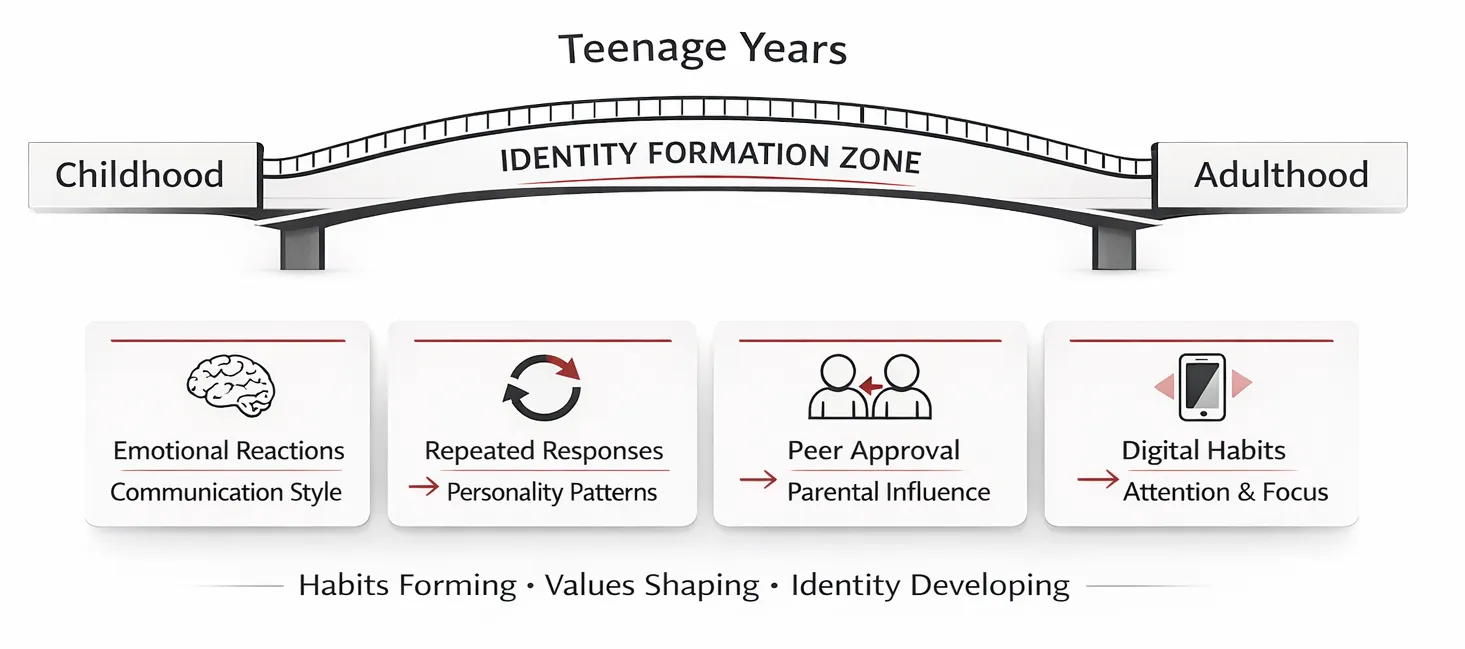
Inside Teen-Parenting Clarity Masterclass You'll Discover
This is a structured learning session — not a motivational talk. Here’s the clear breakdown:

See What’s Really Behind the Behaviour
Learn how emotional intensity, peer pressure, and digital exposure shape reactions - so you stop reacting to surface behavior and start responding to root causes. You’ll know what’s developmental… and what needs guidance.

Words That Reduce Escalation
Understand how small shifts in tone, timing, and phrasing can prevent everyday conversations from turning into conflict. You’ll recognise when to guide… when to pause… and when to reinforce.

Decode the Digital Influence Loop
Learn how dopamine-driven habits affect attention and patience - and how to set boundaries without constant arguments.

Break the Reaction Cycle
Identify repeated parent–teen response patterns that quietly increase resistance — and learn how to interrupt the cycle calmly.

Maintain Influence During the Peer Shift
Understand how teenage influence changes — and how to remain a stable authority without becoming controlling.

Shape Identity, Not Just Behaviour
See how repeated responses shape self-image — and how small, consistent reinforcement builds long-term emotional stability.
Why I Chose to Work With the Adolescent Brain

Years ago, I kept meeting bright teenagers who were being called “disrespectful,” “lazy,” or “addicted.”
But when I looked deeper, I saw something else.
I saw overwhelmed brains trying to grow in a world of constant pressure — screens that never switch off, academic competition getting younger, and emotions they didn’t yet know how to regulate.
They weren’t problem children.
They were developing minds without structured guidance.
That realization changed my career.
I chose to dedicate my work to understanding how the adolescent brain matures — and how parents can support it before small patterns become permanent ones.
Because when we correct brain regulation early, behaviour changes naturally.
And when we intervene at the right time, we don’t just fix behaviour —
we protect personality.
Exclusive Bonus Resources Included With Your Registration
When You Register For this Webinar , You Will Also Receive Access To Structured Support Resources Designed To Help You Implement What You Learn
Emotional Stability Kit - ₹999
A guided parent support toolkit designed to help you understand and strengthen emotional regulation patterns in teenagers through practical observation and response mapping
Communication Reset Framework -₹1,499
A structured approach to rebuilding healthy conver-sations without esclating tension or triggering resistance.
Neuro Blueprint - ₹999
A simplified neuroscience-based behavioural reference guide to help you identify emotional triggers, reaction cycles, and reinforcement opportunities.
Session Replay Access + Replay Reflection Sheet- ₹499
In case you need to revisit key concepts or review the structured models discussed during the live session
Priority Enrollment Self Check - ₹999
Early access to upcoming structured adolescent reinforcement programs before public announcement
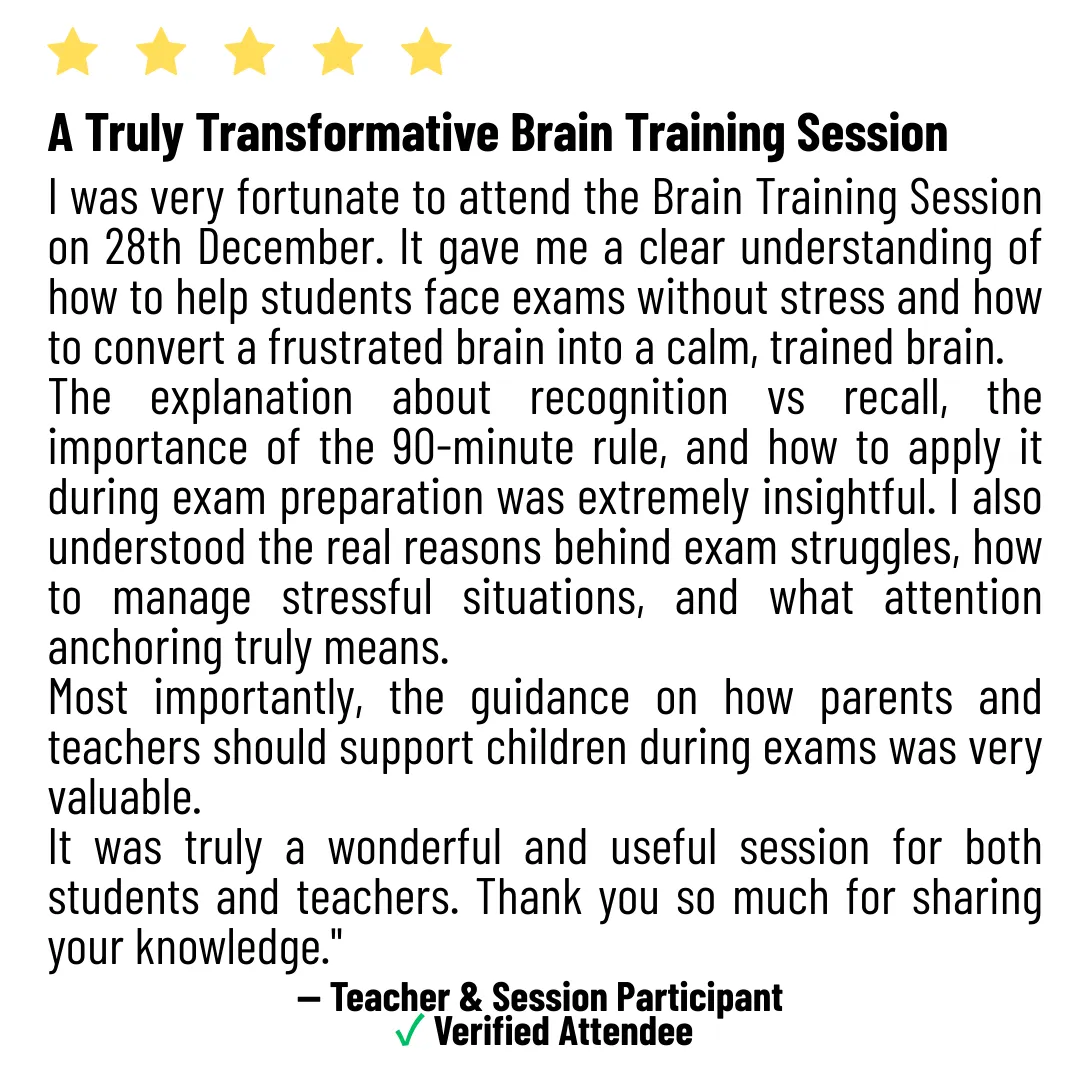
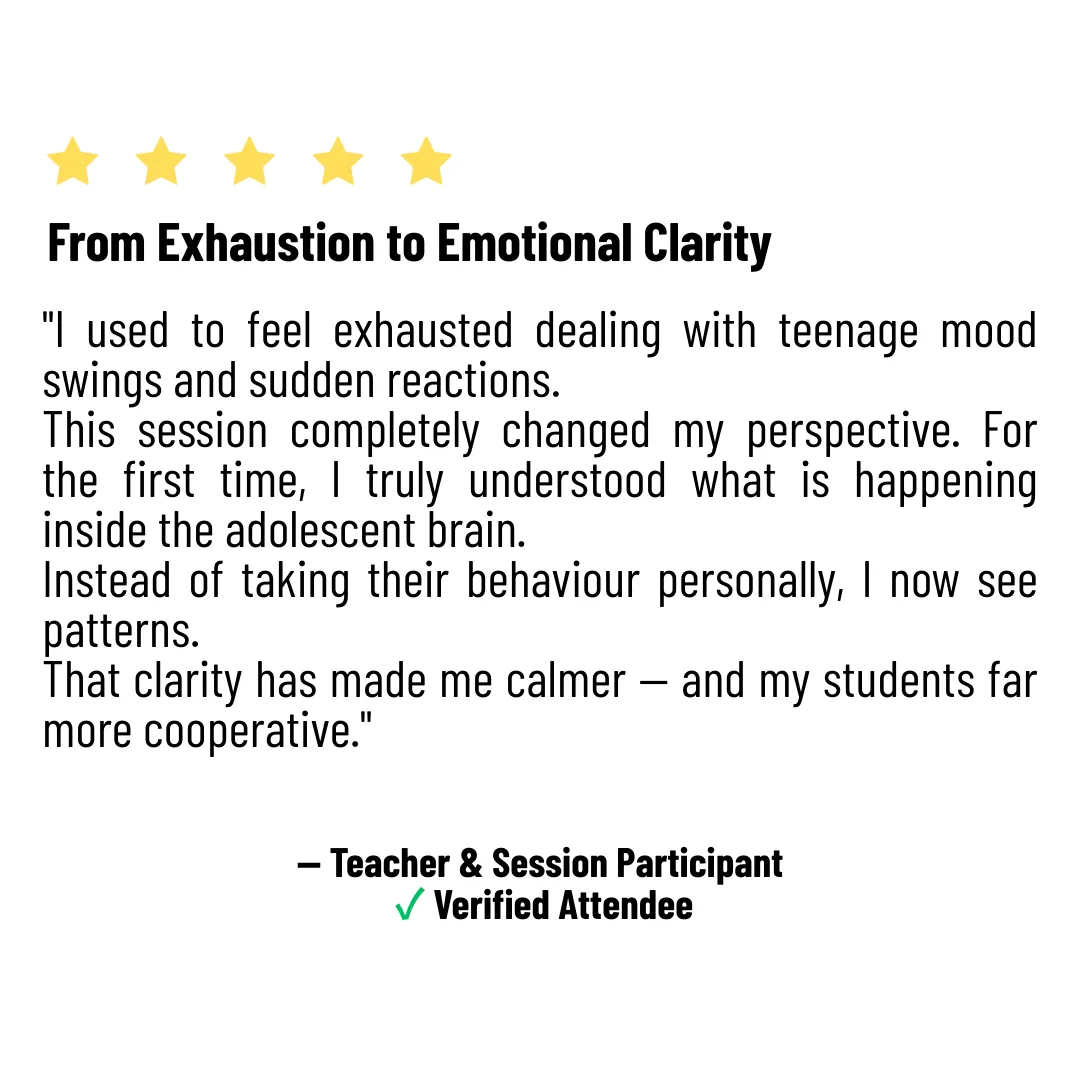
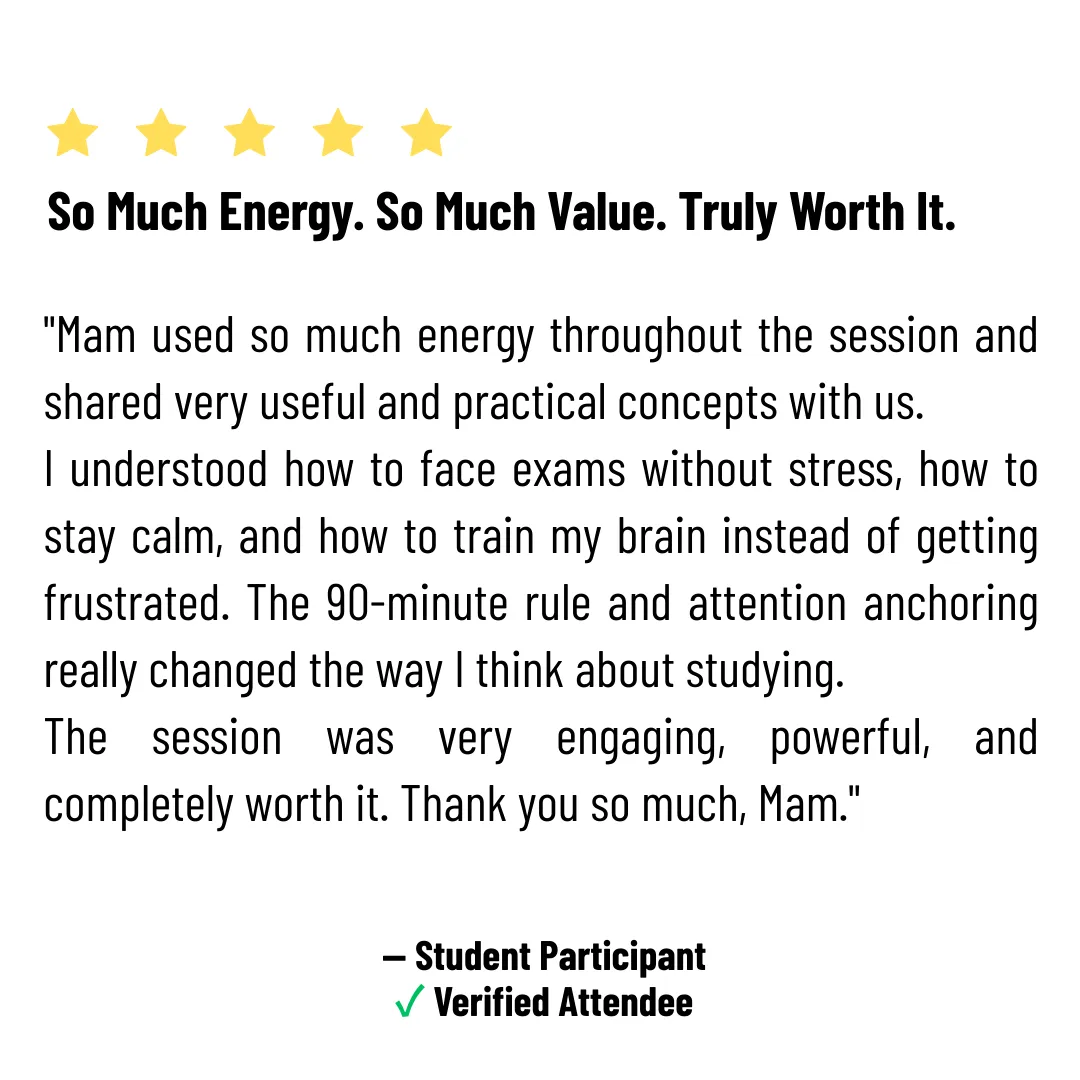
What Attendees Have Shared After Previous Sessions
FREQUENTLY ASKED QUESTIONS
Is this a counselling or therapy session?
No. This is an educational masterclass designed to help parents understand adolescent development through neuroscience and behavioural science. It provides clarity and structured insight — not diagnosis or therapy.
Should my teenager attend this session?
This session is primarily designed for parents. You will learn how teenage emotional development works and how to respond effectively at home.
My teenager is only 13. Is this too early?
No. Adolescence begins earlier than most parents expect. Early understanding helps prevent unnecessary tension and builds stability during the transition phase.
What if my teenager is already 17 or 18?
The principles of emotional regulation and behavioural reinforcement remain relevant. Understanding developmental patterns helps you guide confidently at any stage of adolescence.
Will I receive a recording if I miss the live session?
Replay access is included as part of your registration benefits. Details will be shared during the session.
How is this different from general parenting advice online?
This masterclass is structured around neuroscience, adolescent psychology, and behavioural reinforcement frameworks — not general motivational content. It focuses on understanding mechanisms, not surface-level tips.